Greenland: The Frozen Paradise Exploring Nature, Culture, And Opportunities - Greenland is a crucial location for scientific research, particularly in the fields of climate science and glaciology. Researchers from around the world study the Greenland Ice Sheet to better understand global climate patterns and sea level rise. The island also serves as a base for astronomical observations due to its clear skies and minimal light pollution. Renewable energy sources, such as wind and hydroelectric power, are being explored to reduce reliance on fossil fuels and promote sustainability. These developments aim to improve the quality of life for Greenlanders while minimizing environmental impact.
Greenland is a crucial location for scientific research, particularly in the fields of climate science and glaciology. Researchers from around the world study the Greenland Ice Sheet to better understand global climate patterns and sea level rise. The island also serves as a base for astronomical observations due to its clear skies and minimal light pollution.
Why expedition travel is the best way to see Greenland [Visit Greenland!]
Greenland's culture is deeply rooted in its indigenous Inuit population, who have inhabited the island for thousands of years. The Inuit people have developed a rich cultural heritage, including traditional practices, language, and art. Today, Greenland's culture reflects a blend of Inuit traditions and modern influences from Denmark and other parts of the world.
The climate of Greenland is predominantly Arctic, with cold temperatures and harsh weather conditions. However, the climate varies significantly across different regions of the island. Coastal areas tend to be milder compared to the interior, where the ice sheet dominates.
The tourism industry in Greenland is growing steadily, with more international visitors arriving each year. Local communities are actively involved in promoting sustainable tourism practices to minimize environmental impact while maximizing economic benefits.
Geographically, Greenland is dominated by the Greenland Ice Sheet, which covers about 80% of its surface. The ice sheet is up to 3 kilometers thick in some areas, making it the second-largest ice body in the world after Antarctica. Despite its icy reputation, Greenland has a diverse landscape, including fjords, mountains, and valleys that create a stunning visual contrast.
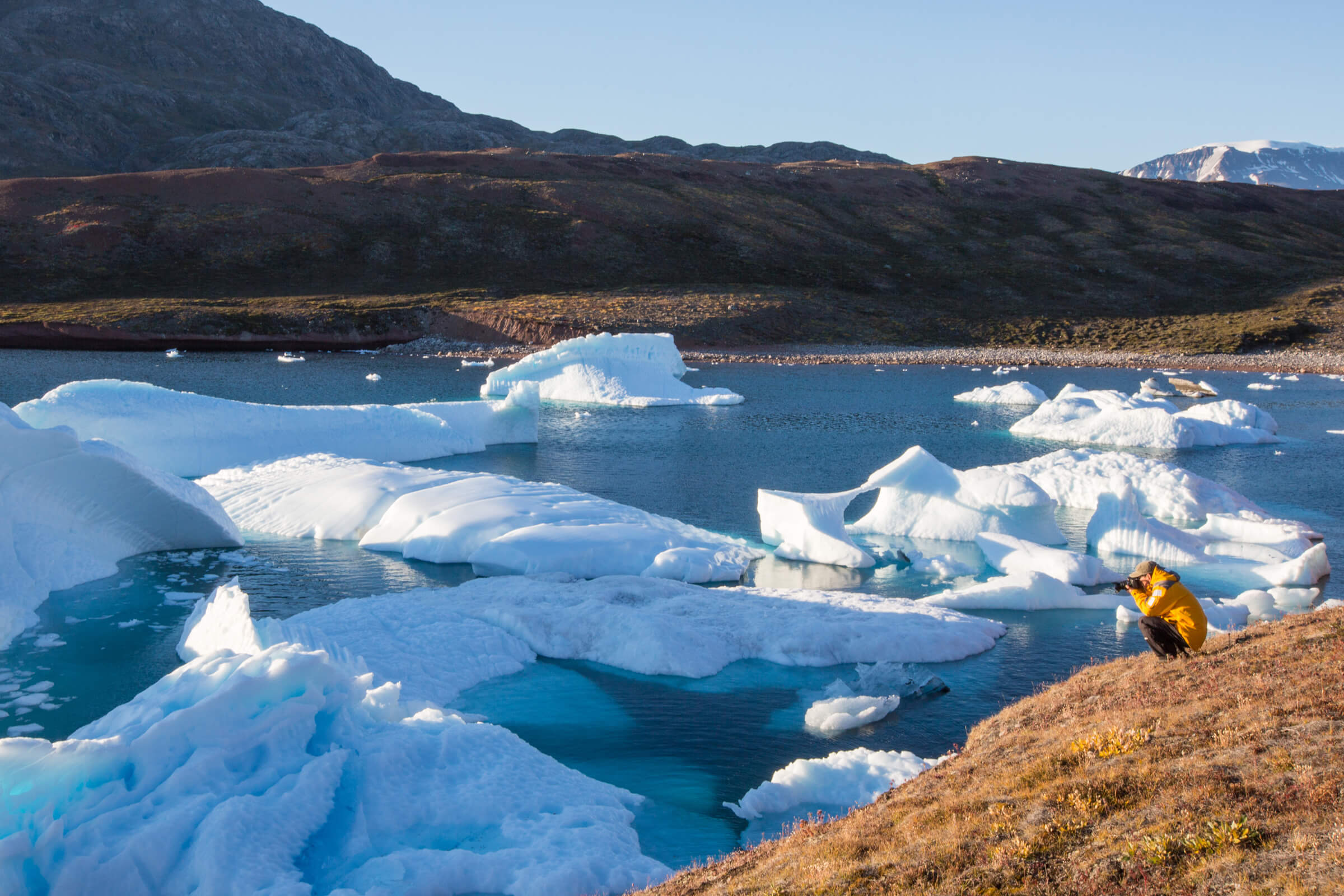
The flora in Greenland is limited due to the harsh climate, but certain hardy plants, such as mosses, lichens, and dwarf shrubs, thrive in the tundra regions. The island's pristine environment makes it an ideal location for nature enthusiasts and researchers studying the effects of climate change on ecosystems.
In summer, temperatures can rise above freezing in coastal areas, allowing for a short growing season. Winter, on the other hand, brings long periods of darkness and extremely cold temperatures, especially in the northern regions. The aurora borealis, or northern lights, is a common sight during the winter months, adding to the island's allure.
We invite you to share your thoughts and experiences about Greenland in the comments section below. Additionally, feel free to explore other articles on our site for more insights into this fascinating land. Together, let's continue to appreciate and protect the beauty and potential of Greenland.
Located between the Arctic and Atlantic Oceans, Greenland is a Danish autonomous territory that boasts a fascinating blend of history, culture, and modern development. Despite its remote location, Greenland has gained increasing attention from scientists, explorers, and tourists eager to explore its unspoiled wilderness and learn about its rich heritage.
Greenland is a vast island situated in the Arctic region, with an area of approximately 2.166 million square kilometers. It is the largest island in the world that is not part of a continent. The island is bordered by the Arctic Ocean to the north, the Greenland Sea to the east, and the Atlantic Ocean to the south and west.
/179769392-58b9cab13df78c353c374860.jpg)
Greenland has become an increasingly popular destination for eco-tourism and adventure travel. Visitors are drawn to its stunning natural landscapes, including glaciers, fjords, and icebergs. Activities such as dog sledding, kayaking, and hiking offer unique opportunities to experience the Arctic environment firsthand.